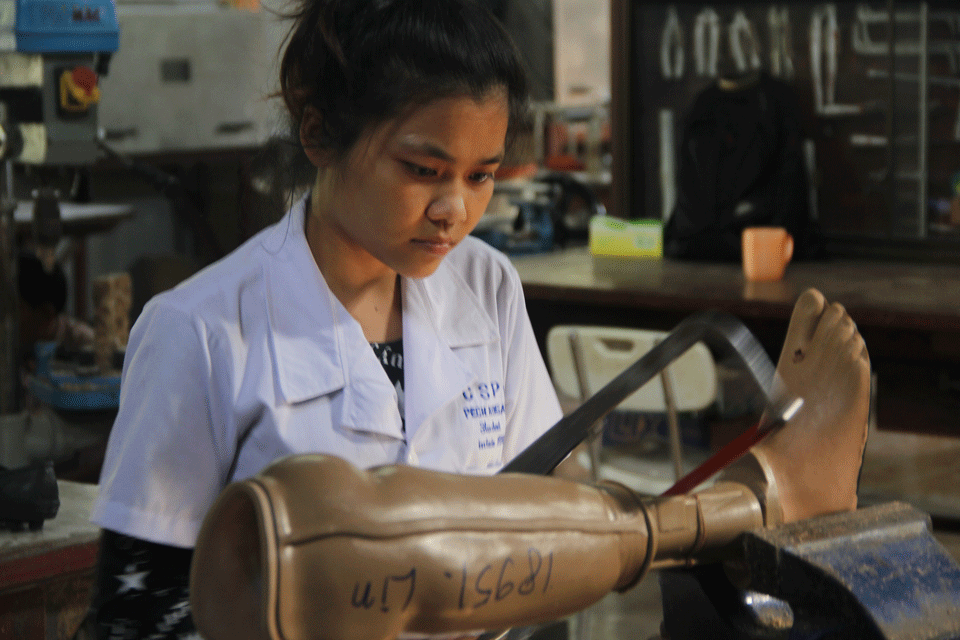
For more than a century, the United States has used landmines, cluster munitions and other ordnance during wars and other conflicts, ultimately in dozens of countries around the world. Long after the conflicts ended, the deadly debris continues to kill and maim countless thousands of people a year. The damage they cause is incalculable.
The Medill National Security Reporting Project spent three months assessing the continuing fallout from these U.S. actions, and the results of the more than $2 billion that Washington says it has spent since 1993 in an effort to clear unexploded ordnance, assist victims and eliminate aging munitions stockpiles. This series is being published in collaboration with GlobalPost — and with the generous assistance of Robert R. McCormick Foundation grants.
US landmines, cluster munitions and other ordnance sold and used around the world
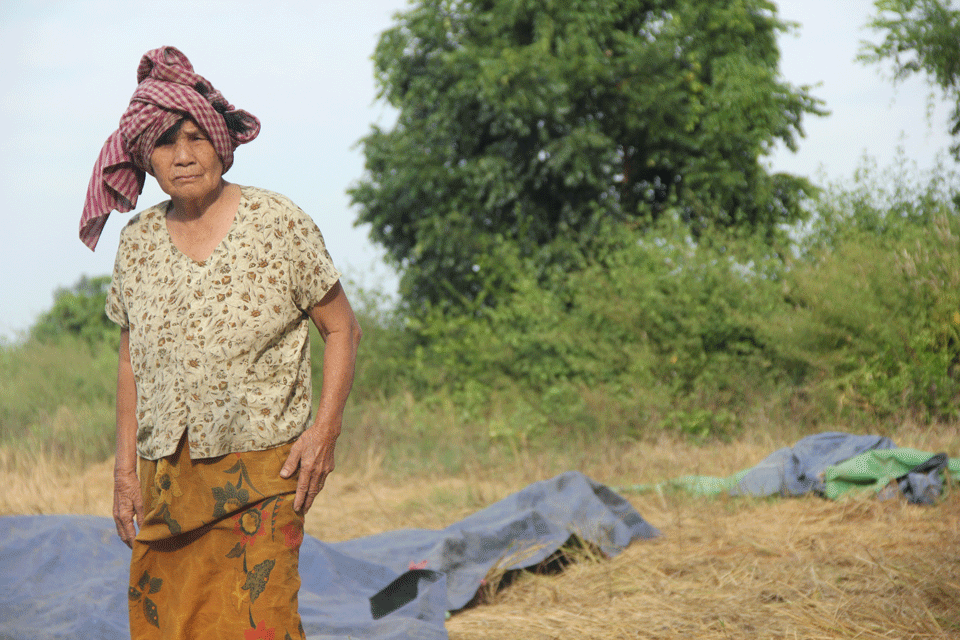
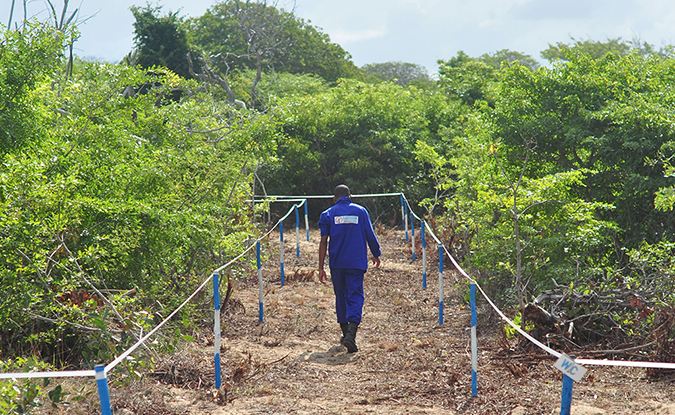
To tell these stories, our team of graduate students traveled to remote outposts in Mozambique and Cambodia, to an epicenter of the Cold War in Ukraine and to a still-active conflict zone in Kurdistan, Iraq.
We talked to dozens of people, including victims of mines and cluster munitions and those responsible for clearing them. We interviewed U.S. and United Nations officials and other policy makers overseeing the efforts to help eliminate the deadly U.S. legacy that remains. We pored over countless documents, reports and survey maps.
Among our conclusions: the U.S. – and other countries engaged in this effort – have had some successes, but are in many ways just beginning to come to terms with this longstanding and continuing international crisis.